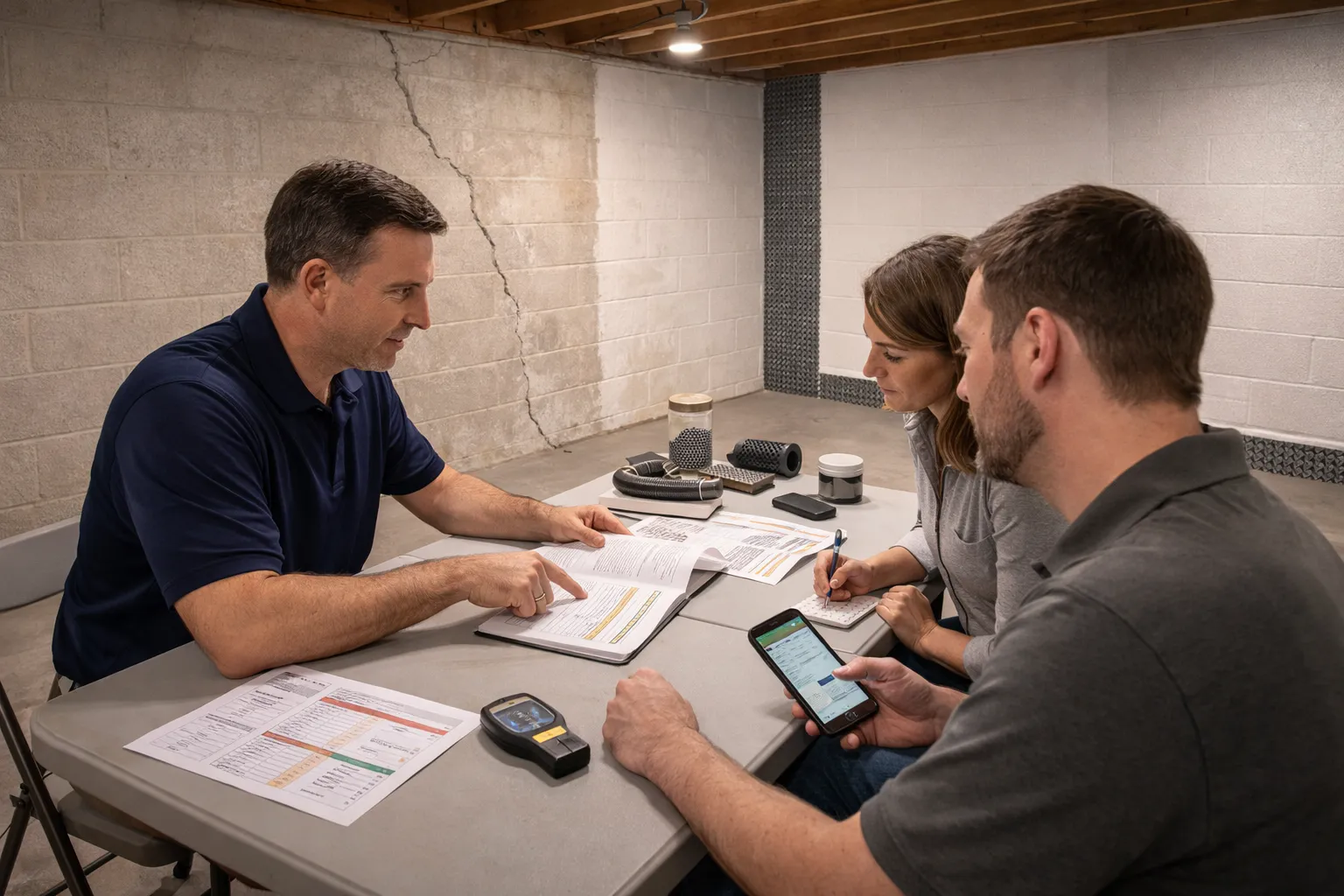
Basement Waterproofing FAQ: Everything You Need to Know
Basement waterproofing raises many questions for homeowners. From costs and methods to DIY vs professional options, we've compiled answers to the most common questions to help you make informed decisions about protecting your home.
With over 20 years of experience in basement waterproofing across 40+ cities, our experts provide authoritative answers based on real-world experience and industry best practices.
Frequently Asked Questions About Basement Waterproofing
How much does basement waterproofing cost?
Basement waterproofing costs typically range from $3,000 to $15,000 depending on the method and extent of work needed. Interior drainage systems cost $3,000-$8,000, while exterior waterproofing can cost $6,000-$18,000 or more.
Cost Breakdown by Method:
- Interior Drainage Systems: $3,000-$8,000
- Exterior Waterproofing: $6,000-$18,000
- Foundation Crack Injection: $500-$2,500 per crack
- Sump Pump Installation: $1,000-$3,000
- French Drain Systems: $2,000-$10,000
Factors affecting cost include foundation size, water table level, extent of damage, accessibility, and chosen waterproofing method.
What are the different types of basement waterproofing?
There are three main categories of basement waterproofing, each suited to different situations and water intrusion sources:
Interior Waterproofing: Manages water that has already entered your basement through drainage systems and sealants. Best for areas with high water tables where exterior work isn't feasible.
Exterior Waterproofing: Prevents water from entering by applying waterproof membranes and drainage systems to the exterior of foundation walls. Most effective but requires excavation.
Crack Injection: Repairs specific foundation cracks using epoxy or polyurethane injections. Ideal for isolated water entry points.
Can I waterproof my basement myself?
While minor moisture issues can sometimes be addressed with DIY solutions, major waterproofing projects require professional expertise, equipment, and warranties that protect your investment.
DIY vs Professional Considerations:
- DIY Suitable: Surface sealants, small crack repair, improving grading
- Professional Required: Drainage systems, foundation cracks, extensive water intrusion
- Warranty Protection: Professional work typically includes 10-20 year warranties
- Equipment Needs: Professional-grade pumps, injection systems, detection tools
How long does basement waterproofing last?
Professional waterproofing systems typically last 20+ years when properly installed and maintained. Interior drainage systems may require periodic maintenance, while exterior systems are more permanent.
Lifespan by Method:
- Exterior Membranes: 20-30 years
- Interior Drainage: 10-20 years (with maintenance)
- Crack Injections: 15-25 years
- Sump Pumps: 7-10 years (pump replacement)
Is basement waterproofing worth the investment?
Absolutely. Waterproofing protects your home's structural integrity, prevents costly repairs, and maintains property value. The average basement water damage claim costs $7,000-$15,000, making preventive waterproofing a wise investment.
ROI Benefits:
- Prevents foundation damage ($10,000-$50,000 repairs)
- Avoids mold remediation costs ($2,000-$10,000)
- Protects property value and resale potential
- Creates usable living space
- Reduces energy costs through moisture control
What time of year is best for basement waterproofing?
Spring and fall are ideal for waterproofing work. Weather conditions are moderate, and ground conditions are optimal for excavation and drainage installation.
Seasonal Considerations:
- Spring: Best for exterior work, moderate weather
- Summer: Good for interior work, but may be affected by humidity
- Fall: Excellent for all types of waterproofing
- Winter: Limited to interior work only in most climates
Does basement waterproofing increase home value?
Yes, waterproofing typically increases home value by 10-15% and makes the property more attractive to buyers. It also reduces the likelihood of inspection issues during sales.
What maintenance is required after waterproofing?
Regular maintenance ensures your waterproofing system continues functioning properly. Most systems require annual inspections and periodic cleaning.
Maintenance Tasks:
- Test sump pumps quarterly
- Clean drainage systems annually
- Inspect for new cracks or damage
- Maintain proper exterior grading
- Keep gutters and downspouts clean
Expert Tips for Basement Waterproofing Success
Choose Licensed, Insured Contractors
Verify contractor licenses, insurance coverage, and ask for references. Professional waterproofing companies should provide detailed estimates and warranties.
Get Multiple Written Estimates
Compare at least three estimates from different contractors. Ensure all proposals include the same scope of work for accurate comparison.
Understand the Warranty
Read warranty terms carefully. Professional waterproofing should include both workmanship and material warranties.
Plan for Proper Drainage
Waterproofing works best when combined with proper exterior drainage. Ensure gutters, downspouts, and grading direct water away from your foundation.
Need Help With Your Basement?
If you're dealing with basement dampness or water damage, our local experts can help. Get a free, no-obligation assessment today.