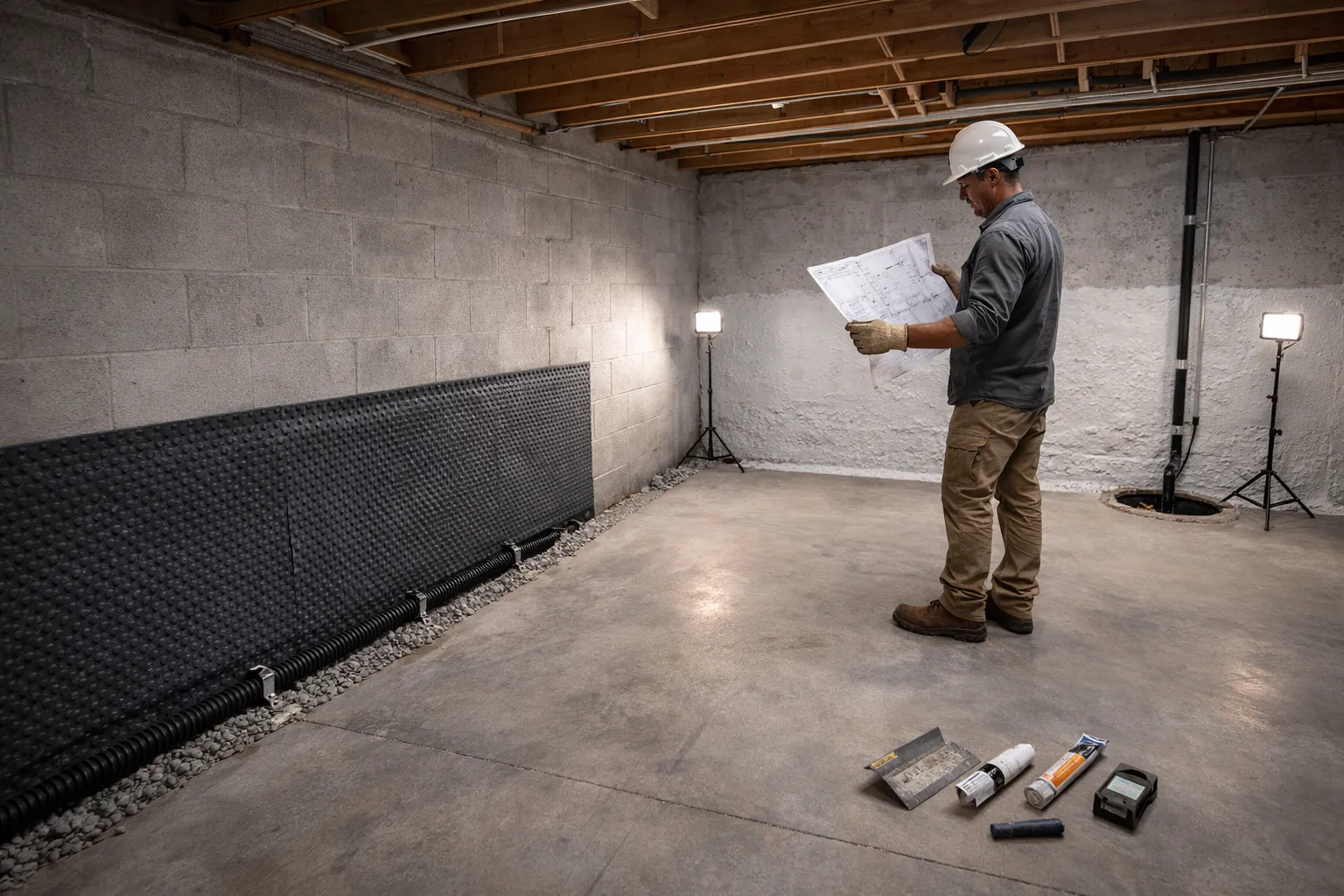
Complete Guide to Basement Waterproofing: Costs, Methods & Solutions
Basement waterproofing is one of the most critical investments homeowners can make to protect their property value and prevent costly structural damage. This comprehensive guide covers everything you need to know about waterproofing methods, costs, and solutions.
With over 20 years of experience in basement waterproofing across 40+ cities, our experts provide authoritative guidance to help you make informed decisions about protecting your home.
Understanding Basement Water Problems
Before diving into solutions, it's essential to understand what causes basement water issues and why waterproofing is necessary.
Common Water Intrusion Sources
Hydrostatic Pressure: Groundwater pressing against foundation walls forces water through concrete pores and cracks. This is the most common cause of basement water problems.
Poor Drainage: Clogged gutters, improper grading, and inadequate downspout extensions direct water toward your foundation instead of away from it.
Foundation Cracks: Over time, foundations develop cracks due to settling, soil pressure, or structural stress, creating pathways for water entry.
Condensation: Warm, humid air contacting cool basement surfaces creates moisture buildup that can lead to mold and water damage.
Types of Basement Waterproofing Methods
Different waterproofing methods address different water problems. Understanding these options helps you choose the right solution for your situation.
Interior Waterproofing Systems
Interior waterproofing manages water that has already entered your basement, directing it to a collection point for removal.
Components:
- Weeping tile systems along perimeter
- Sump pumps for water removal
- Vapor barriers on walls
- Interior drainage channels
Best For: Homes with high water tables, exterior access limitations, or as supplementary protection.
Cost Range: $3,000-$8,000
Exterior Waterproofing
Exterior waterproofing prevents water from entering by creating a barrier outside your foundation walls.
Components:
- Excavation around foundation
- Waterproof membrane application
- Exterior drainage systems
- Proper backfilling with gravel
Best For: New construction, major renovations, or severe water intrusion problems.
Cost Range: $6,000-$18,000
Crack Injection Systems
Crack injection fills foundation cracks with epoxy or polyurethane to seal water entry points.
Materials:
- Epoxy for structural repairs
- Polyurethane for active water leaks
- Hybrid systems for both purposes
Best For: Isolated cracks, specific water entry points, or as part of comprehensive waterproofing.
Cost Range: $500-$2,500 per crack
Basement Waterproofing Cost Breakdown
Understanding waterproofing costs helps you budget appropriately and avoid surprises.
Factors Affecting Costs
Foundation Size: Larger foundations require more materials and labor.
Water Table Level: High water tables may need more extensive drainage systems.
Access Issues: Limited access to foundation areas increases labor costs.
Extent of Damage: Existing water damage requires remediation before waterproofing.
Method Chosen: Exterior systems typically cost more than interior solutions.
Detailed Cost Analysis
Interior Drainage Systems:
- Basic weeping tile: $3,000-$5,000
- With sump pump: $4,000-$6,000
- With battery backup: $5,000-$8,000
Exterior Waterproofing:
- Basic membrane: $6,000-$10,000
- With drainage: $8,000-$14,000
- Full system with landscaping: $12,000-$18,000+
Additional Costs:
- Permit fees: $200-$500
- Landscaping restoration: $1,000-$5,000
- Mold remediation: $2,000-$10,000 (if needed)
DIY vs Professional Waterproofing
Deciding between DIY and professional waterproofing depends on the scope of work and your expertise.
DIY Waterproofing Projects
Suitable For:
- Minor crack repairs
- Surface sealant application
- Improving exterior grading
- Installing simple drainage
Pros:
- Cost savings on labor
- Sense of accomplishment
- Flexible timeline
Cons:
- Limited warranty protection
- Potential for improper installation
- May not address underlying issues
Professional Waterproofing
Best For:
- Comprehensive waterproofing systems
- Structural issues
- Severe water problems
- Warranty requirements
Pros:
- Professional expertise and equipment
- Comprehensive warranties (10-25 years)
- Proper problem diagnosis
- Insurance coverage eligibility
Cons:
- Higher upfront costs
- Scheduling dependent on contractor availability
- Less control over the process
Choosing the Right Waterproofing Contractor
Selecting the right contractor is crucial for successful waterproofing.
Contractor Qualifications
Licensing and Insurance: Verify proper licensing, liability insurance, and worker's compensation coverage.
Experience: Look for contractors with at least 5-10 years of specific waterproofing experience.
References: Request and check recent customer references and online reviews.
Warranty: Ensure comprehensive warranties covering both materials and workmanship.
Getting Accurate Estimates
Multiple Quotes: Obtain at least three detailed written estimates.
Scope Comparison: Ensure all quotes include the same work scope for accurate comparison.
Detailed Breakdown: Request itemized costs for materials, labor, and additional services.
Timeline: Confirm project start and completion dates in writing.
Maintenance and Prevention
Proper maintenance ensures your waterproofing system continues functioning effectively.
Regular Maintenance Tasks
Monthly:
- Check sump pump operation
- Inspect for new water signs
- Test backup systems
Quarterly:
- Clean sump pump pit
- Inspect drainage channels
- Check foundation walls
Annually:
- Professional system inspection
- Sealant touch-ups
- Gutter and downspout cleaning
Prevention Strategies
Exterior Maintenance:
- Keep gutters clean and downspouts extended 6-10 feet
- Maintain proper grading (1 inch per foot for first 6 feet)
- Install window well covers for basement windows
Interior Monitoring:
- Maintain humidity below 50%
- Use dehumidifiers in damp climates
- Address condensation immediately
Need Help With Your Basement?
If you're dealing with basement dampness or water damage, our local experts can help. Get a free, no-obligation assessment today.