How to Clean a Flooded Basement: A Step-by-Step Homeowner Guide
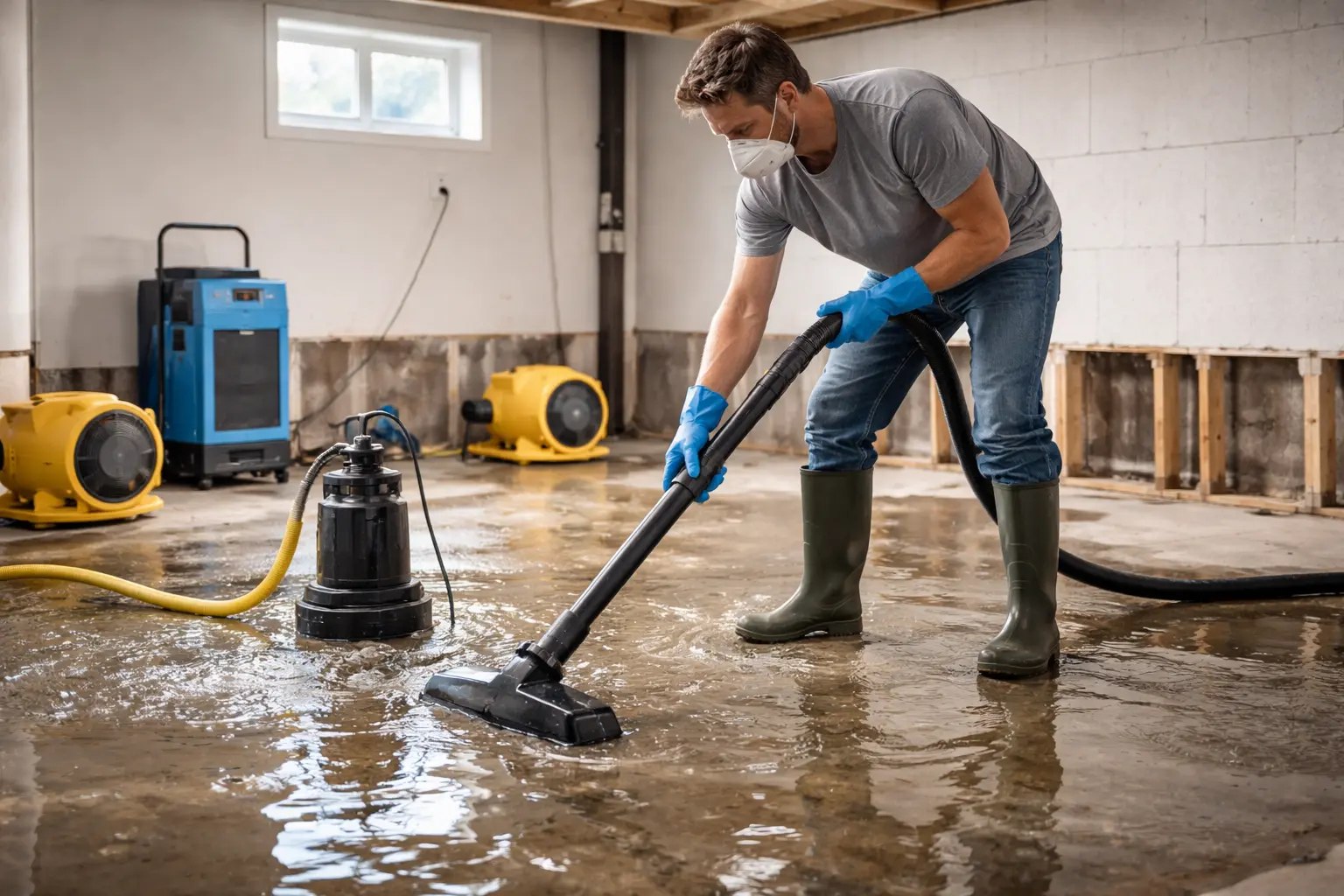
This guide explains how to clean a flooded basement safely and effectively. Learn step-by-step water removal, drying techniques, mold prevention tips, and common mistakes to avoid. It also covers when DIY cleanup is possible and when professional flooded basement cleanup services are necessary to protect your home and health.
A flooded basement can quickly turn into a serious health and structural risk if not handled properly. Whether the water comes from heavy rain, groundwater pressure, or a plumbing failure, fast and correct cleanup is critical to prevent mold growth, foundation damage, and long-term moisture problems.
This guide explains how to clean a flooded basement safely, when DIY cleanup is acceptable, and when professional help is necessary.
Why Flooded Basement Cleanup Matters
Standing water and damp materials create the perfect environment for mold, bacteria, and structural decay. According to the CDC, mold can begin growing within 24–48 hours after flooding.
If flooding is recurring, you should also assess your overall basement moisture risk using a professional approach like our Basement Damp Risk Calculator.
Step 1: Ensure Safety Before Entering the Basement
Before you start cleaning, check for immediate hazards.
Safety checklist:
- Turn off electricity if water is near outlets or appliances
- Avoid entering if you smell gas
- Wear gloves, waterproof boots, and a mask
- Never enter a basement with sewage-contaminated water
If floodwater contains sewage or chemicals, cleanup should be left to professionals due to serious health risks outlined by the EPA.
Step 2: Identify the Source of Basement Flooding
Stopping the water source is essential before cleanup begins.
Common causes include:
- Heavy rainfall and groundwater seepage
- Burst or leaking pipes
- Failed sump pumps
- Sewer backups
- Appliance failures
For homes with chronic water intrusion, long-term solutions such as basement waterproofing may be necessary.
Step 3: Remove Standing Water Quickly
The longer water sits, the more damage it causes.
Water removal methods:
- Submersible pump for deep water
- Wet/dry vacuum for shallow flooding
- Buckets and mops for small areas only
⚠️ Important:
If groundwater caused the flooding, remove water gradually to avoid foundation damage caused by pressure imbalance.
Step 4: Remove Water-Damaged Materials
Many materials cannot be salvaged once soaked.
Items that usually must be removed:
- Carpets and padding
- Cardboard and paper products
- Upholstered furniture
- Wet drywall and insulation
Drywall should be cut 12–18 inches above the waterline to prevent hidden mold growth.
Step 5: Clean and Disinfect All Surfaces
After debris removal, thorough cleaning is required.
Cleaning process:
- Wash hard surfaces with detergent and water
- Disinfect using appropriate cleaning solutions
- Scrub walls, floors, and exposed framing
- Pay attention to cracks, drains, and corners
The FEMA flood cleanup guidelines emphasize sanitation to reduce bacteria and odor issues.
Step 6: Dry the Basement Completely
Drying is just as important as water removal.
Best drying practices:
- Use high-powered fans and air movers
- Run dehumidifiers continuously
- Ventilate if outdoor humidity is low
Drying usually takes 24–72 hours, but hidden moisture may take longer.
Step 7: Prevent Mold After Basement Flooding
Mold prevention is time-sensitive.
Mold prevention tips:
- Keep humidity below 50%
- Inspect behind walls and under flooring
- Watch for musty odors or discoloration
- Do not reinstall materials until fully dry
For more details, see our guide on mold and moisture in basements.
Step 8: Common Flooded Basement Cleanup Mistakes
Avoid these costly errors:
- Delaying water removal
- Ignoring moisture behind walls
- Reusing contaminated materials
- Turning off dehumidifiers too early
- Skipping insurance documentation
Step 9: When to Call Professional Flooded Basement Cleanup Services
DIY cleanup is not recommended if:
- Water depth exceeds a few inches
- Flooding is recurring
- Sewage or black water is involved
- Structural or electrical systems are affected
- Mold growth is widespread
Professionals use industrial drying equipment and moisture detection tools that homeowners typically do not have.
Step 10: Long-Term Prevention After a Basement Flood
Once cleanup is complete, focus on prevention:
- Improve exterior drainage
- Seal foundation cracks
- Maintain sump pumps
- Consider interior or exterior waterproofing systems
Learn more about permanent solutions in our Waterproofing Basement Guide.
Final Thoughts
Cleaning a flooded basement requires speed, proper drying, and mold prevention. Acting quickly protects your home’s structure, your belongings, and your family’s health.
If you experience frequent basement moisture or flooding, start with our Basement Damp Risk Calculator and explore professional waterproofing options near you.
For related topics, visit our Basement Damp Blog.
Real-Time FAQs: Flooded Basement Cleanup
How soon should I start cleaning a flooded basement?
You should begin cleanup as soon as it is safe to enter the basement. Standing water and moisture can cause mold growth within 24–48 hours, increasing health risks and repair costs.
Is it safe to stay in the house with a flooded basement?
In most cases, yes. However, if flooding involves sewage, electrical hazards, or strong mold odors, it may be unsafe to stay in the home until cleanup is complete.
What is the fastest way to remove water from a basement?
For large amounts of water, a submersible pump is the fastest option. For shallow flooding, a wet/dry vacuum can be effective. Water should be removed gradually if groundwater pressure is involved.
Can I use household fans to dry a flooded basement?
Household fans help circulate air, but they are not enough on their own. Dehumidifiers are essential to remove moisture from the air and prevent mold growth.
How long does it take for mold to start growing after flooding?
Mold can begin growing within 24 to 48 hours if moisture is not properly removed and controlled.
Should wet carpet and padding be removed after basement flooding?
Yes. Carpet padding almost always needs to be removed because it traps moisture and bacteria. Wet carpets are difficult to fully disinfect and can lead to mold growth.
Do I need to remove drywall after a basement flood?
If drywall is soaked, it should be removed at least 12 to 18 inches above the waterline to prevent hidden mold and structural damage.
What disinfectant should be used after basement flooding?
A household disinfectant or diluted bleach solution can be used on hard, non-porous surfaces. Porous materials exposed to contaminated water should be discarded.
How do I know if my basement is fully dry?
The basement is considered dry when there is no visible moisture, humidity stays below 50%, and there are no musty odors. Hidden areas behind walls and under flooring should also be checked.
When should I call a professional flooded basement cleanup service?
You should call professionals if the flooding involves sewage, deep standing water, recurring moisture issues, or visible mold growth, or if electrical and structural systems are affected.
Will homeowner’s insurance cover flooded basement cleanup?
Coverage depends on the cause of flooding. Plumbing failures are often covered, while groundwater or floodwater may require separate flood insurance.
How can I prevent my basement from flooding again?
Long-term prevention includes improving drainage, sealing foundation cracks, maintaining sump pumps, and installing basement waterproofing systems.
More Basement Waterproofing Articles
Explore more articles about Basement Waterproofing to learn how to protect your basement from moisture damage.
Ready to Assess Your Basement Risk?
Use our free calculator to evaluate your basement's dampness risk and get personalized recommendations.
Start Free Assessment